


Key Insights:
- Nearly 80% of BTC transactions are now microtransactions, driven by renewed Bitcoin Ordinals, Runes, and inscription activity.
- CryptoQuant data shows the market is stuck between euphoria and capitulation, leaving traders in a long period of patience.
- Ki Young Ju says Bitcoin’s biggest challenge may be prolonged sideways trading rather than a sharp market crash.
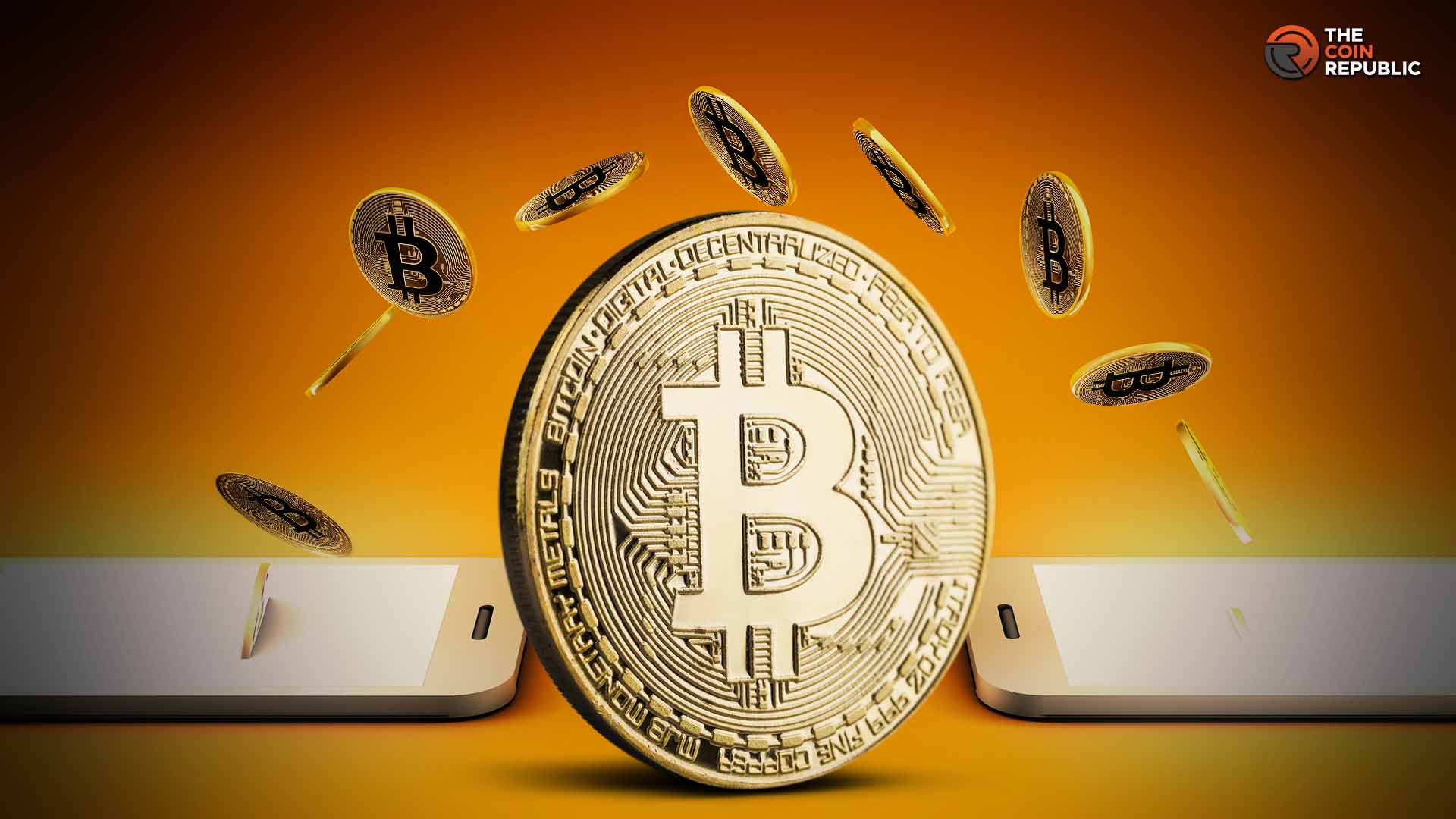
Bitcoin Ordinals are drawing fresh attention after microtransactions returned to the network. New data show that smaller transfers now account for most Bitcoin transactions. Network activity is also rising. At the same time, analysts are debating market profits and warning that prolonged price stagnation could test investor confidence.
Bitcoin Ordinals Trigger Microtransactions Reboot
Bitcoin Ordinals are back in focus after new data showed a sharp rise in small transactions across the network. According to CryptoQuant, almost 80% of all Bitcoin transactions are now worth less than 0.01 BTC.
The increase has been linked to renewed activity from Runes, Ordinals, and inscriptions. These are once again filling blocks with smaller transfers.
The rise in microtransactions has pushed daily transaction numbers close to levels last seen during previous periods of heavy network use. Transactions per block have also climbed. It indicates that block space is becoming more competitive, even without a major move in Bitcoin price.
The renewed activity has also affected the Bitcoin mempool. Pending transactions awaiting confirmation have reached their highest level since early 2025. As more users compete for limited block space, transaction fees can rise as people pay more to have their transfers processed faster.

Even so, Bitcoin has not matched the increase in network activity with a strong price rally. While on-chain usage has picked up, the market has continued to trade within a relatively narrow range. That contrast has left traders watching to see whether stronger network demand will eventually be reflected in price or remain limited to activity created by Ordinals and related protocols.
Bitcoin Profit and Loss Data Points to Patient Market
At the same time, another CryptoQuant indicator suggests the market has not reached either extreme optimism or deep fear.
CryptoQuant analyst Maartunn pointed to the platform’s Profit and Loss Index. He said the data does not yet support the view that the market has reached a final bear market bottom. Instead, the indicator shows conditions that fall between excitement and panic.

He described the current phase as one of boredom. There is no sign of the kind of euphoria that often appears near market tops. However, there is also no widespread selling that usually marks the final stage of a bear market.
That picture fits with the recent trading pattern. Bitcoin has spent long periods moving sideways. It gave traders little reason to chase higher prices and failed to trigger large waves of panic selling.
Boredom Becomes the Bigger Test for Investors
CryptoQuant founder Ki Young Ju believes the greater risk for Bitcoin is not a sudden crash but a market that remains quiet for years.
He argued that long periods without meaningful price gains could weaken demand. That could make it harder for companies built around Bitcoin strategies to keep attracting investor interest. He pointed to Michael Saylor’s capital-raising model, saying it depends on continued confidence that Bitcoin will keep reaching higher levels over time.
Ki also reflected on how the story around Bitcoin has changed over the years. He said earlier narratives, such as digital gold, freedom money, and institutional adoption, helped bring new investors into the market.
Many of those themes have now played out. Newer ideas like Bitcoin banking and digital credit may be harder for the public to understand.
Despite those concerns, Ki said he still believes large amounts of institutional money can enter the market over time. He also believes that Bitcoin can continue to rise in the long run. His concern is that the market may now need a fresh story that ordinary investors can easily understand to attract the next wave of demand.